Aircrew Parachute Harness/Pack – Vulcan & Victor Crew Seats: Military Flight Crew Equipment
Aircrew Parachute Harness/Pack – Vulcan & Victor Crew Seats: Military Flight Crew Equipment
Blog Article
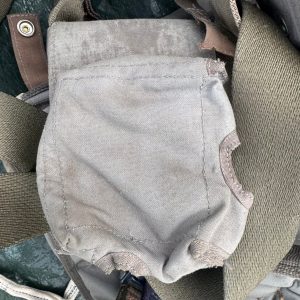
The Aircrew Parachute Harness/Pack – Vulcan & Victor Crew Seats provides strong commercial and historical appeal when its identity, condition, completeness, configuration, and documentation are described accurately.
The Aviation Parachute Harness supports secure attachment within an emergency system, while the Pilot Parachute Harness should be evaluated for webbing condition, hardware integrity, adjustment, size, and compatibility.
An Aircraft Emergency Parachute Harness, Aircrew Safety Harness, Flight Crew Parachute Harness, Emergency Parachute Harness, and Military Aircrew Harness all describe safety-related equipment intended to secure aircrew within compatible parachute or escape systems.
Whether described as an Aviation Emergency Escape Harness, Parachute Harness Assembly, Aircraft Crew Safety Equipment, Aircrew Emergency Equipment, or Pilot Emergency Parachute System, the item should be evaluated within its complete original configuration.
The Flight Parachute Harness should remain matched with the correct parachute pack, seat arrangement, attachment hardware, and operating system.
Overview of the Military Aircrew Parachute Assembly
The offered harness and pack should be identified through visible labels, part numbers, contract markings, manufacturer information, dates, inspection stamps, and known aircraft-seat relationships.
Collectors and restorers benefit from a complete inventory showing installed items, loose pieces, missing parts, and unverified features.
Parachute Harness Webbing and Hardware
Metal hardware can corrode, crack, deform, seize, or develop sharp edges that damage surrounding material.
Stitching should be reviewed for broken threads, fading, contamination, pulled sections, loose patterns, unauthorized repair, and separation from the webbing.
Pilot Harness Strap Configuration
A Pilot Parachute Harness should correspond with the wearer, clothing, seat arrangement, parachute pack, attachment system, and intended operating configuration.
Professional conservation can protect both the Pilot Parachute Harness and its historical significance.
Emergency Harness System Integration
An Aircraft Emergency Parachute Harness is intended to connect the wearer securely with a compatible parachute and escape system during emergency procedures.
The relationship between each fitting and its surrounding webbing should remain visible for inspection.
Historic Aircrew Restraint Equipment
The intended function should be established through technical references and component markings rather than appearance alone.
Metal parts should be isolated from materials that may encourage corrosion or staining.
Evaluating a Flight Crew Parachute Harness
Age-related degradation can exist within fibers, stitching, hardware, or hidden areas.
Transparent information strengthens trust among buyers of Flight Crew Parachute Harness equipment.
Emergency Parachute Harness Inspection
The pack or container should be examined separately for fabric deterioration, closures, contamination, deformation, and missing components.
Unknown contamination should be handled carefully and isolated from other equipment.
Historic Military Aviation Harness Equipment
The combination of aircraft association, markings, configuration, condition, and documentation can influence historical and commercial value.
Museums and display builders may use the harness/pack to complete a crew-seat installation, cockpit exhibit, training display, or aviation-history presentation.
Understanding an Aviation Emergency Escape Harness
Seat design, parachute pack, harness connections, release mechanisms, crew procedures, aircraft configuration, and survival equipment may all interact.
Incorrect assembly for display can damage components or create a misleading configuration.
Military Parachute Pack Components
The exact configuration should be listed clearly so buyers understand what is included.
Small fittings, retainers, straps, pins, covers, or connectors may have significant restoration value.
Historic Aircraft Safety Components
Each item should be identified and evaluated individually because age, storage, configuration, and service history can differ.
Original dirt, markings, or wear may provide useful historical evidence.
Aircrew Emergency Equipment Applications
Aircrew Emergency Equipment reflects the operational requirements, aircraft technology, crew roles, and safety practices of its service period.
The product listing should identify whether the item is original, restored, repaired, modified, reproduction, mixed-component, or unverified.
Military Pilot Escape Equipment
A Pilot Emergency Parachute System includes more Aircrew Safety Harness than a harness because the pack, canopy, deployment equipment, connections, fit, inspection status, and operating procedures all matter.
Responsible handling protects the Pilot Emergency Parachute System and its provenance.
Preserving an Aviation Harness Assembly
Reversible display methods protect authenticity and long-term value.
Controlled access supports preservation of the Aviation Safety Harness.
Buying Historic Aircrew Equipment
Clear intended-use classification supports responsible transactions.
Damage, missing components, mixed assemblies, heavy corrosion, cut straps, contamination, or unsupported provenance may reduce value.
Military Parachute Component Matching
Components should not be combined merely because they connect physically.
Any uncertain connection should remain unforced and documented.
Evaluating Historic Parachute Equipment
The buyer should request enough information for a parachute specialist, military aviation historian, conservator, or experienced collector to evaluate the item.
- Determine whether the canopy, deployment components, release equipment, inspection cards, storage bag, manuals, or other items are included.
- Arrange specialist evaluation whenever condition, authenticity, completeness, or intended use remains uncertain.
- Confirm the seller’s invoice, payment protection, packaging method, shipping insurance, inspection period, and return conditions.
Long-Term Harness and Pack Care
The assembly should receive padded support so heavy hardware does not rest directly on aged webbing.
Condition photographs taken from consistent angles can reveal gradual changes over time.
Historic Parachute Equipment Presentation
A crew-seat display should support the pack in a way that reduces weight on aged straps, fittings, and adjustment points.
Any reproduced or replacement components should be labeled clearly.
Long-Term Aircrew Harness Care
Aggressive cleaning can remove original markings, finishes, inspection evidence, or historically significant wear.
Repairs intended for display should remain reversible and clearly documented.
Buying Historic Military Aircrew Parachute Equipment
When carefully inspected, stored, documented, conserved, and displayed, the Aircrew Parachute Harness/Pack – Vulcan & Victor Crew Seats can remain a valuable military aviation artifact.
The strongest purchasing decision begins with confirming part numbers, manufacturer, production period, crew-seat relationship, webbing condition, stitching, hardware, pack contents, repairs, storage history, provenance, and intended sale status.
Whether the product is described as a Parachute Harness Assembly, Aircraft Crew Safety Equipment, Aircrew Emergency Equipment, or Pilot Emergency Parachute System, completeness and intended use should be stated clearly.
With verified provenance, careful inspection, protected storage, reversible display methods, organized documentation, and responsible conservation, the harness/pack can provide lasting historical value.
Report this page